Maximizing Small NYC Bedrooms: A Practical Guide to Space, Storage, and Style
A handbook for renters and first-time homeowners navigating the tight realities of New York City living, with a focus on layout, multi-use furniture, and affordable styling that makes a room feel larger and more livable.
In the city that never stops, the bedroom is often a compact stage where sleep, work, and downtime crowd into the same four walls. The challenge isn’t merely decorative; it’s architectural. Small NYC bedrooms demand a quiet confidence of layout, a discipline of texture, and a pragmatic wardrobe of items that pull a room together without crowding it. The approach outlined here speaks to renters and new urban homeowners who insist on comfort without compromise—who want a space that breathes, even when the street outside is loud, and who know that the right arrangement can feel like a small miracle of design.
This guide threads practical layout strategies with thoughtful, brand-informed product options drawn from a curated toolbox of essentials, including pieces from The Clean Bedroom and its contemporaries. The aim is not to upsell but to illuminate what works in tight spaces, why it works, and how to plan for longevity in a room that must do many jobs at once.
1) Space-planning essentials for 8x10 and smaller bedrooms
The rhythm of a small bedroom is a conversation between surface area and circulation. Traffic flow matters more than dramatic floor plans, because a cramped corridor invites fatigue and disrupts sleep rituals. Start with a simple grid: identify the door swing, the window if present, and the bed’s footprint. The bed should be the anchor, not the obstacle. In many NYC apartments, the bed becomes a dynamic anchor—it can be aligned with a long wall to free up floor space, or positioned to open sightlines toward a window or a better-placed dresser.
Layout diagrams, even rough hand-drawn sketches, can demystify tension between furniture and walls. A practical approach is to use a single, unbroken plane along one wall for the bed, with nightstands or shelves flanking the headboard instead of heavy dressers that encroach on circulation. If space permits, consider floating or wall-mounted storage to keep the floor area visually open. In the NYC context, vertical storage often pays dividends because it leverages height—an essential move when square footage is precious.
For readers who want an actionable blueprint, aim for a layout that leaves at least 2 to 3 feet of clear floor space around the bed for ease of movement. In an 8x10 foot room, that often means:
- Choosing a bed with a shallow footprint or a platform bed with storage drawers underneath.
- Mounting lightweight shelves high on walls to keep surfaces clear.
- Using a compact, multi-functional desk that tucks away when not in use.
- Strategically placing a mirror to reflect light and visually expand the space.
The idea is to design for daily rituals—sleep, work, dressing, and storage—without creating a maze of furniture. This requires choosing furniture that serves more than one purpose and that can be adjusted as life in a city apartment shifts.
2) Multi-functional furniture and storage hacks for rental apartments
In NYC, rental spaces are notorious for their constraints, from non-permanent walls to limited closet space. The trick is to lean into flexibility: furniture that adapts to different tasks, and storage that merges with the room’s architecture rather than competing with it.
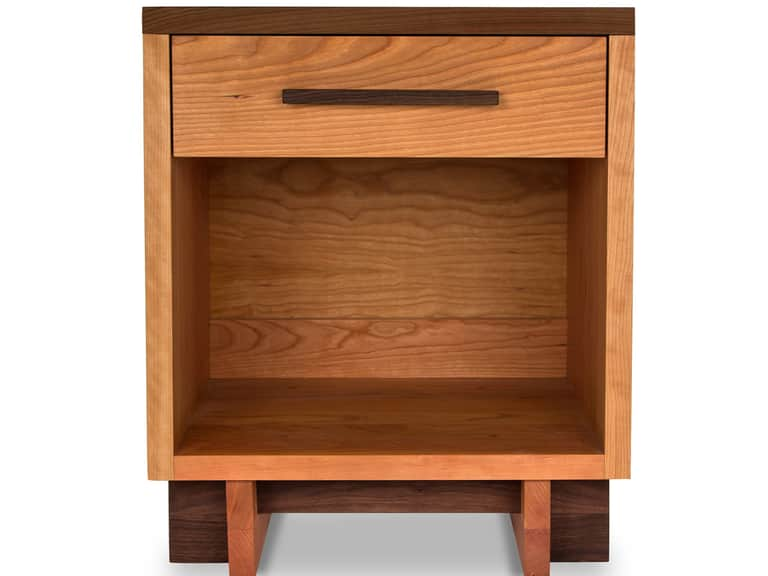
A nightstand with an integrated shelf or drawer keeps essentials at arm’s reach while occupying minimal footprint. The Modern American 1-Drawer Enclosed Shelf Nightstand from Vermont Furniture Designs exemplifies this blend of form and function: a solid wood interceptor that offers a drawer for small items and a shelf for books or a lamp, all in a compact width suitable for tight bedside spaces. Its craftsmanship and raw material honesty bring a sense of calm to a room that otherwise might feel crowded.
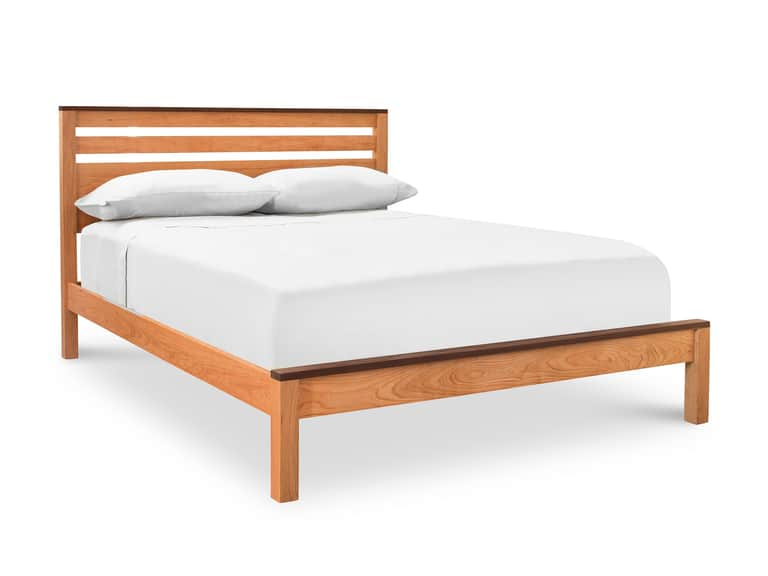
Under-bed storage is not a luxury but a necessity in many NYC bedrooms. Look for drawers that run the full width of the base or low-profile bins that slip under the bed without creating height pressure against the sleeper. A bed with built-in drawers, like the Skyline Panel Bed, can transform a crowded closet situation into a streamlined, organized zone by giving you a place for linens, socks, and seasonal garments.
Consider wall-mounted storage as a core strategy. Floating shelves near the window can hold a slim plant collection, a few favorite books, and a diffuser, while keeping the floor uncluttered. For added discipline, choose a compact desk that folds flat when not in use or a wall-mounted desk that doubles as a console when you’re not working. The goal is to coax the room to breathe by raising items off the floor and reducing visual clutter.
When selecting storage, prioritize materials that resist wear from frequent use and movement. Look for durable finishes and hardware that can withstand daily pickup and placement. In the NYC apartment, where搬 and wants to rearrange are constants, the ability to reconfigure a room as needed is as valuable as any fixed design statement.
3) Lighting, color, and texture strategies to visually expand the room
Light is the most generous element in a small space. People often underestimate how much a well-lit room can feel larger, calmer, and more welcoming. Natural light should be maximized whenever possible; if a window is the room’s primary punch, ensure that window coverings are light-filtering rather than heavy blackout drapes that can seal off air and color.
Layer lighting: ambient, task, and accent lighting at different heights to create depth. A minimalist overhead fixture paired with a pair of slender lamps on either side of the bed or wall-mounted sconces at headboard height can delineate zones without crowding surfaces.
Color and texture influence perceived space. Light, cool whites and soft grays can reflect more light and give a room airiness, while warm neutrals keep it inviting. Textures—woven fabrics, linen, and cotton blends—add tactile interest that can make a small space feel intentionally curated rather than merely functional. For a NYC apartment, balance is key: keep a cohesive palette across walls, textiles, and furniture, then layer with a few contrasting textures for depth.
Texture in bedding and textiles is particularly powerful. The clean lines of a modern nightstand or a panel bed pair well with tactile components like a throw, a cushion, or a rug that warms the feet and anchors the eye. In a compact room, a single bold texture or color can create a focal point without overwhelming the senses.
4) Color palettes and brand-relevant product ideas
A thoughtful palette anchors a small bedroom. Consider using a restrained base—soft ivory or warm gray—then introduce one or two accent hues drawn from nature or urban life, such as slate, sage, or a muted blue. The aim is harmony, not drama; you want a room that reads as calm and cohesive, where each piece feels like a deliberate choice rather than a random acquisition.
Brand-relevant product ideas that fit the practical NYC brief:
- The Modern American 1-Drawer Enclosed Shelf Nightstand (Vermont Furniture Designs) for compact bedside storage with clean lines.
- The Skyline Panel Bed (Vermont Furniture Designs) for a solid wood foundation with a simple, architectural silhouette that suits a minimalist aesthetic.
- A pair of floating shelves and a light, breathable duvet like The Clean Bedroom Manhattan Goose Down Comforter for warmth without bulk.
While you may explore a variety of sources, the guiding principle is to select pieces that maximize storage and openness. Choose finishes that endure and avoid overly ornate details that can interrupt the visual flow of a small room.
5) Seasonal and practical considerations for NYC living
NYC apartments experience a wide range of temperatures and humidity levels across the calendar. Materials that regulate temperature, wick moisture, and hold up to seasonal changes are valuable. A goose-down comforter, for instance, offers warmth with impressive loft and light weight; pairing it with a breathable cotton cover, as seen in premium bedding options, can maintain comfort without bulk. For summer relief, consider a lighter weight option or a removable cover to adapt to fluctuating indoor climates.
Storage is not just a solution for clutter; it’s a climate strategy for a small room. With fewer square feet to spare, each storage decision should be deliberate and modular. Seasonal wardrobes can rotate into a compact closet system with labeled bins, while under-bed storage keeps bulky items out of sight yet accessible.
Finally, consider the long view: plans for reconfiguration as needs change—whether upgrading to a slightly larger unit or adapting the space for a different routine. In a city where address and apartment layout shift as frequently as the seasons, a flexible layout remains the most enduring form of design.
6) A starter content plan for your NYC bedroom guide
To sustain momentum, pair evergreen topics with timely, city-specific angles. Here are starter ideas that align with the practical, small-space focus:
- How to maximize a 8x10 bedroom in a NYC apartment: layout diagrams and flow considerations.
- Space-planning templates: floor plan templates for one-room apartments and studios.
- Storage hacks tailored for renters: removable shelving, tension rods, and modular wardrobes.
- Lighting dioramas: layering light in small spaces and color-temperature choices for different rooms.
- Seasonal styling: affordable updates that refresh a room without major renovations.
The content journey can feature case studies of real NYC bedrooms (submissions or curator picks) to illustrate successful transformations. While the tone remains editorial, the emphasis stays actionable: readers leave with concrete steps they can implement within their rental constraints.
7) A note on sources and credibility
The voice of this guide aims for the clarity and precision that readers expect from a thoughtful urban design publication. While it leans on product references to illustrate practical points, it remains non-commercially oriented in its core guidance. Readers are encouraged to evaluate furniture as durable, modular systems suitable for long-term use in a small NYC bedroom. Product suggestions, when included, anchor the discussion in real options but do not substitute for independent assessment of space, budget, and lifestyle.
If you seek verifiable, real-world examples or case studies, look for publicly documented design projects and interviews with established designers or historians rather than unverified anecdotes. The goal here is to illuminate a method—space-first thinking, flexible storage, and measured styling—that can be adapted across neighborhoods and apartment types in New York City.
Conclusion: room to breathe in a city that moves fast
A small NYC bedroom is more than a room; it is a discipline. It demands restraint, careful curation, and a belief that function and beauty can share the same corner. By prioritizing layout, embracing multi-functional furniture, and elevating light, texture, and color, a compact space can feel expansive, serene, and fully human. The city’s relentless pace becomes less a constraint and more a metronome—the rhythm by which a smaller room learns to live, and by which its inhabitants learn to live well.
As you begin to apply these ideas, start with clear measurements, a self-imposed rule about surface clutter, and a one-room-at-a-time approach to upgrading. The endgame isn’t a showroom-ready space; it’s a lived-in, practical, comfortable bedroom that honors the truth of urban living: the best spaces are those that do more with less.
Product highlights you can consider for a small NYC bedroom
The following items exemplify the blend of craft, practicality, and space-conscious design that informs this guide. They are presented as real-world options that can fit into a compact, well-proportioned bedroom without overwhelming the room.
- Modern American 1-Drawer Enclosed Shelf Nightstand — Solid wood, sourced materials, crafted in Vermont. A compact nightstand with a drawer and enclosed shelf to maintain bedside order. — Link: Modern American 1-Drawer Enclosed Shelf Nightstand
- Skyline Panel Bed — A solid wood foundation built in Vermont, available in cherry, maple, or walnut, finished with an eco-friendly hand-rubbed oil. Strong architectural lines that suit minimalist or industrial-inspired schemes. — Link: Skyline Panel Bed
- Cherry Moon Bed — Handmade to order in Vermont from sustainably sourced woods, featuring a contemporary silhouette with rounded edges and arches. — Link: Cherry Moon Bed
This article is inspired by practical, small-space design principles and reflects a bias toward durable, well-made pieces that age gracefully in a NYC apartment.