Pillowcases serve as the first layer of comfort and protection for pillows, influencing hygiene, longevity, and skin health. In this category, the focus is on materials, weave, and thread count that affect feel, breathability, and ease of care. Understanding fabric properties helps sleepers select pillowcases suited to their preferred sleep temperature and skin sensitivity while aligning with bedding essentials such as sheets, blankets, and comforters.
Common pillowcase materials include cotton, cotton blends, and sateen or percale weaves, each offering distinct textures and durability. Cotton pillowcases tend to balance softness with breathability, while sateen provides a smoother surface with a subtle sheen. Percale emphasizes a crisp, cooler feel, which can be advantageous for hot sleepers seeking a refreshing sleep environment.
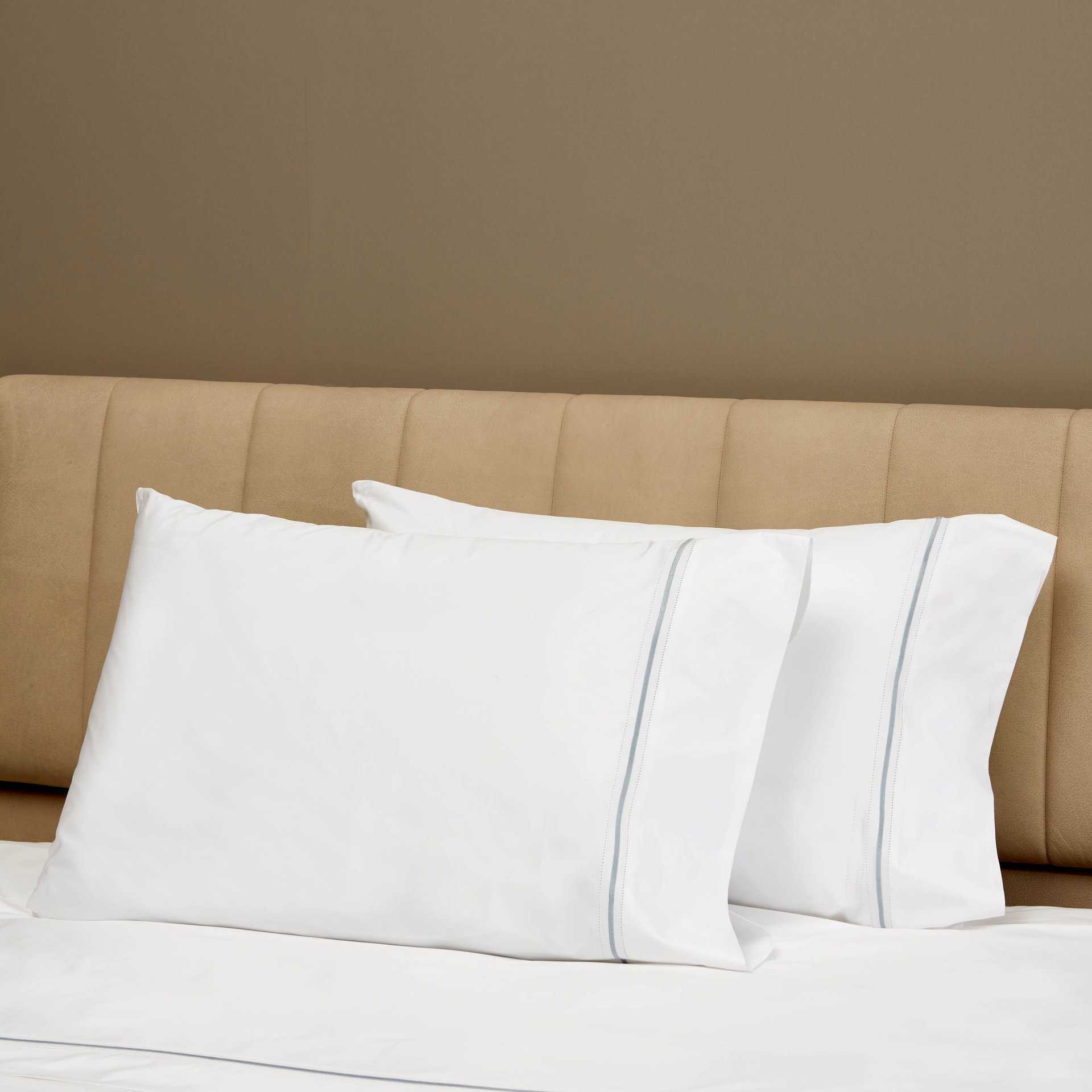
The Gramercy Pillowcases exemplify a blend of durability and comfort, featuring high-thread-count fabrics and practical closures for secure pillow containment. These pillowcases are designed to reduce friction, protect pillow cores, and maintain a neat bed presentation. Their finishes and stitching contribute to long-term performance in everyday use with various bedding combinations.
Considerations for choosing pillowcases include weave type, thread count, and care requirements. A higher thread count may yield a softer hand but can also impact breathability and washing durability. Easy-care fabrics with reinforced seams help preserve pillow shape, while colorfast dyes prevent fading with repeated laundering, essential for maintaining a clean and cohesive bedroom aesthetic.
In addition to comfort, pillowcases interact with other bedding elements such as down comforters, adjustable beds, and decorative pillows. Aligning pillowcase materials with sheet sets and blankets promotes overall sleep hygiene and temperature management. Keywords such as bedding, pillows, adjustable beds, comforters, and down comforters reflect the broader context of a complete sleep environment.
 Bedding